
Fifty years after the Circeo massacre that shocked Italy, Roberto Colasanti continues to preserve the memory of his sister Donatella, who survived 36 hours of torture and sexual violence in September 1975. Donatella Colasanti died in 2005 at age 47, having chosen silence in her final years. "She desired oblivion," her brother recounts, explaining that for two decades he has carried forward her memory and the meaning of her battle against gender violence.
The case began on September 29, 1975, when Donatella Colasanti, then 17, and her 19-year-old friend Rosaria Lopez from Rome's Montagnola neighborhood met Angelo Izzo and Gianni Guido, wealthy young men from the Trieste district who moved in neofascist circles. Under the pretense of attending a party in Lavinio, the group traveled to the Pontine coast where the two girls were subjected to horrific violence in a villa at San Felice Circeo. Lopez died during the torture, while Colasanti survived by pretending to be dead.
The trial marked a turning point in public debate, with feminist associations joining as civil parties while the defense attempted to cast doubt on the girls' credibility—a common tactic at the time. All three perpetrators—Izzo, Guido, and Andrea Ghira—received life sentences, though their judicial stories became complicated by escapes, periods as fugitives, and additional crimes. The case occurred during a period of significant social transformation in Italy, coming just four months after family law reform established equality between husbands and wives.
When the Circeo massacre occurred, the term "femicide" didn't exist in public discourse, and sexual violence was still classified as a crime against morality rather than against the person—a legal framework that changed in 1996 partly due to advocacy efforts inspired by cases like Colasanti's. Roberto Colasanti notes that while women are now "a bit more believed" than in 1975, societal attitudes still often place blame on victims. The 50th anniversary of the tragedy coincides with 20 years since Donatella's death, transforming the Circeo memory from true crime story into social history that continues to resonate in contemporary discussions about gender violence.
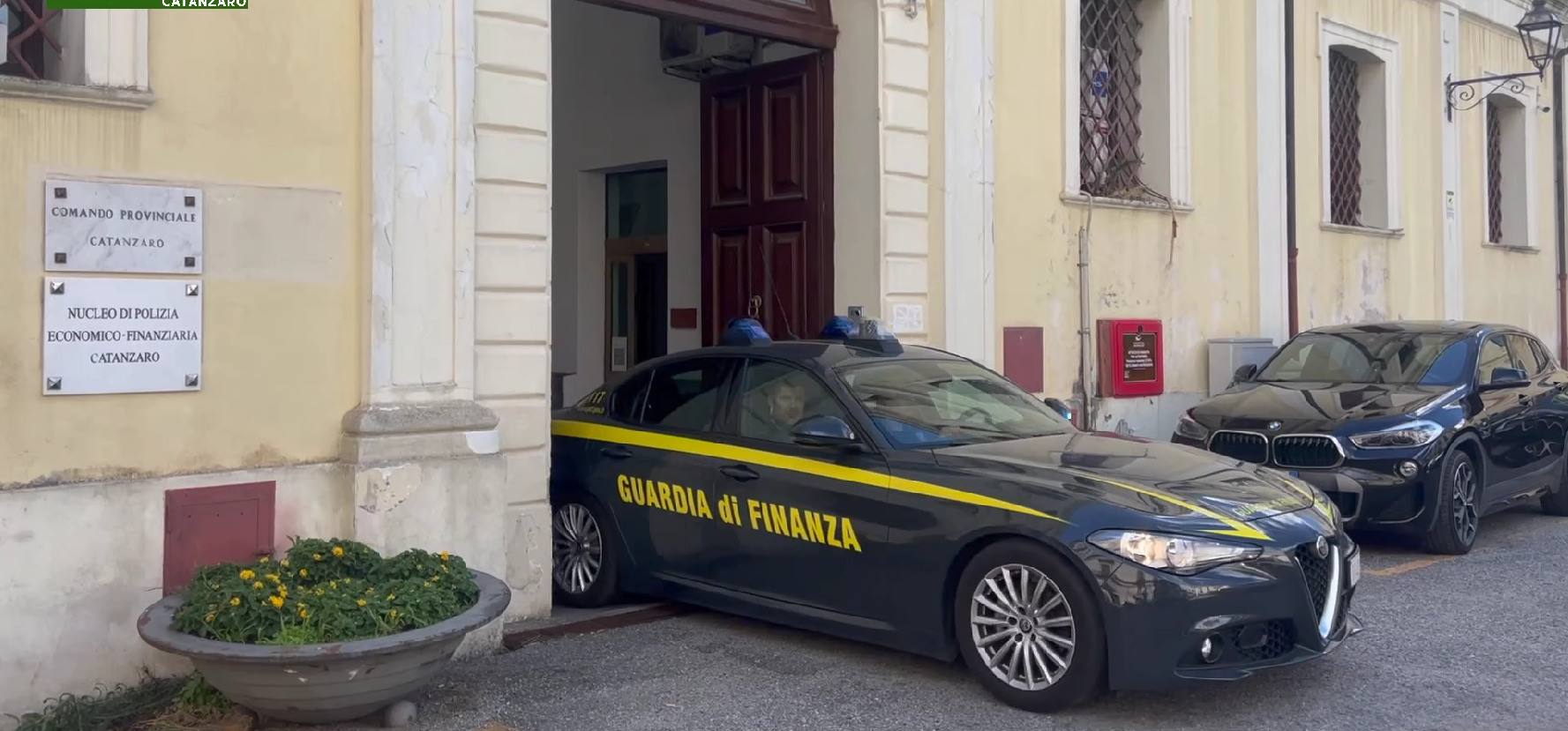
Italian financial police in Catanzaro have executed a definitive confiscation order for assets valued at over €1.6 million from an individual connected to the Accorinti crime clan of Briatico. The seizure includes a land parcel with an overlying building and ownership shares in a local...

Significant advances in the treatment of triple-negative breast cancer (TNBC), one of the most aggressive forms of breast cancer, were highlighted at the European Society for Medical Oncology (ESMO) congress. New data from Phase 3 clinical trials demonstrate that antibody-drug conjugates...

Angelina Jolie made a striking appearance at the Festa del Cinema di Roma, walking the red carpet for the premiere of her new film 'Couture,' which she both stars in and co-produces. The actress chose a dramatic black backless gown that showcased her extensive back tattoos, including a...

Torino president Urbano Cairo has confirmed that striker Giovanni Simeone is effectively already a permanent signing for the club, revealing that the Argentine's loan deal includes an "easily triggered" mandatory purchase clause. Speaking on Rai Radio 1's Radio Anch'io Sport program, Cairo...

Makari 4, the fourth season of the popular Italian television series, premieres on Rai 1 on October 19, 2025, continuing the adventures of journalist-investigator Saverio Lamanna portrayed by Claudio Gioè. The new season maintains the signature blend of mystery and character-driven...
