
The Italian sports journalism community is mourning the loss of Carlo Sassi, a pioneering television journalist who revolutionized football broadcasting through his introduction of slow-motion replay analysis to Italian audiences. Sassi, who would have turned 96 next Wednesday, passed away leaving behind a legacy that fundamentally changed how Italians consumed and understood football on television. Born in Milan, he began his career at Rai's "La Domenica Sportiva" in 1960, where he would remain for over three decades until 1991, establishing himself as a fixture in Italian sports broadcasting.
Sassi's most significant contribution to sports journalism came with his popularization of the "moviola," or slow-motion replay analysis, which made its television debut on October 22, 1967. The technology's inaugural use came during analysis of Gianni Rivera's controversial "phantom goal" in the derby between Inter and Milan, marking a watershed moment in Italian sports broadcasting. This innovation brought detailed frame-by-frame analysis into Italian homes for the first time, allowing viewers to examine contentious moments in matches with unprecedented clarity and depth.
Throughout his career at "La Domenica Sportiva," Sassi developed and refined the slow-motion analysis format, initially working alongside Bruno Pizzul before establishing his own segment called "Pronto moviola." In this program, he personally commented on controversial incidents while incorporating perspectives from the footballers involved. His deep football knowledge was rooted in personal experience—he had attempted a playing career himself, undergoing a trial with Inter before playing several years in Serie C and amateur leagues, though he ultimately found his true calling in journalism.
After leaving "La Domenica Sportiva" in 1991, Sassi continued his broadcasting career by co-hosting "Quasi Gol" with Sandro Ciotti. From 1993 to 2001, he worked alongside Fabio Fazio and Marino Bartoletti on "Quelli che il calcio," maintaining his presence in Italian football coverage. A passionate football enthusiast and devoted supporter of Cremonese, Sassi's career spanned more than four decades, during which he became synonymous with technical analysis and helped shape how generations of Italians understood and debated the beautiful game through television.

Angelina Jolie made a striking appearance at the Festa del Cinema di Roma, walking the red carpet for the premiere of her new film 'Couture,' which she both stars in and co-produces. The actress chose a dramatic black backless gown that showcased her extensive back tattoos, including a...
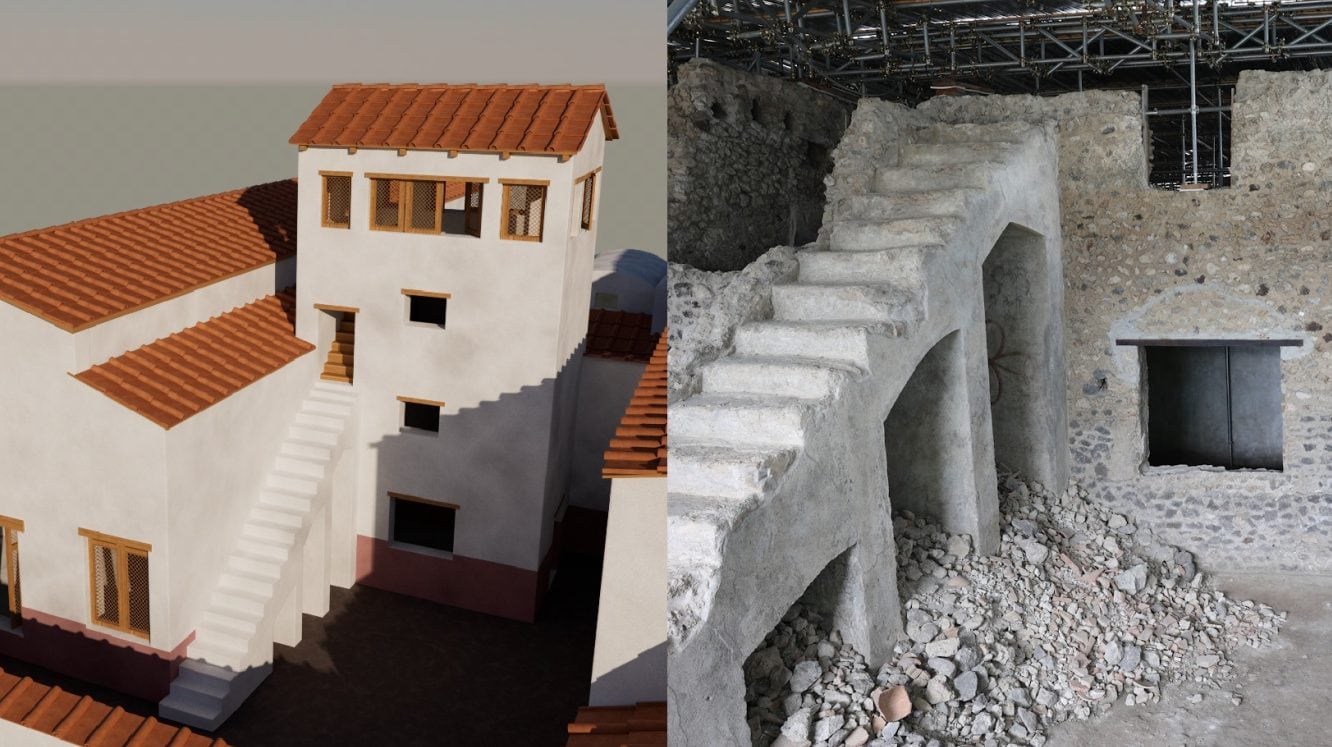
Archaeological research at the ancient Roman city of Pompei has revealed new evidence suggesting elite residents constructed private towers as symbols of power and wealth before the city's destruction in 79 AD. A collaborative study between the Pompei Archaeological Park and Berlin's Humboldt...

Significant advances in the treatment of triple-negative breast cancer (TNBC), one of the most aggressive forms of breast cancer, were highlighted at the European Society for Medical Oncology (ESMO) congress. New data from Phase 3 clinical trials demonstrate that antibody-drug conjugates...
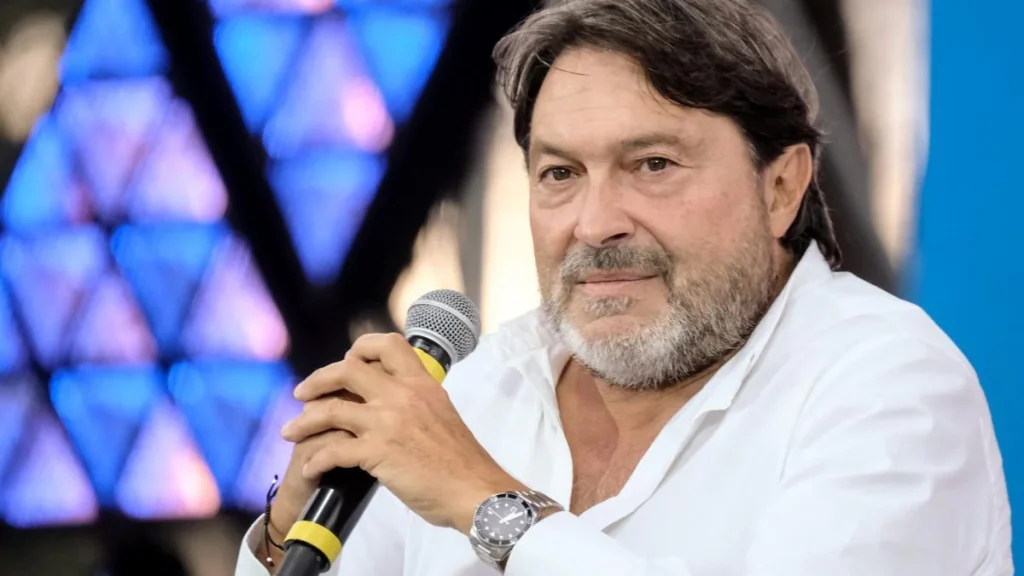
Sigfrido Ranucci, the prominent journalist and host of the investigative program Report, has returned to television following a bombing incident on October 17th near his residence in Pomezia. During an appearance on Monica Maggioni's program "In mezz'ora," Ranucci announced the upcoming...

A tragic accident occurred in the early hours of Monday, October 20, in Recoaro, Vicenza, when a vehicle plunged from a bridge into the Agno river below. The incident took place on Via della Resistenza near the Recoaro facility, with emergency services receiving the alarm around 6:30-6:35 AM....
